Open 24/7, Monday to Sunday | Serving Big Piney since 2017(307) 364-4862
Lance Dumpster RentalDumpster Rental Big Piney, WY
Dumpster Rental Big Piney, WY

Local debris service

Dumpster Rental Big Piney, WY

Lance Dumpster Rental confirms placement before delivery, with scheduled windows and documented pickup timing.

Dumpster Rental Big Piney, WY gives homeowners, contractors, and property managers a practical way to contain renovation debris, roofing waste, yard material, and cleanout loads. Lance Dumpster Rental helps choose the working size, checks the placement, and coordinates pickup around the actual stage of your project.

  • Licensed, bonded and insured
  • Serving since 2017
  • 24/7, Monday to Sunday
  • 4207 + containers delivered
  • Serving Sublette County

Local operating knowledge

Dumpster rental decisions start with the property

Lance Dumpster Rental has served the Big Piney area since 2017, handling the practical details that determine whether a container works at a property. Driveway slope, overhead branches, soft ground, narrow approaches, and the truck's turning path all matter before delivery. A container that technically fits may still block a garage, scrape a fence, or become difficult to remove after snow or rain. We discuss the material, access, placement surface, and expected fill level before assigning a size. That keeps the recommendation tied to the job instead of pushing the largest option by default.

Big Piney properties can change from one street to the next. Older homes, working properties, newer construction, and rural approaches do not offer the same access. Winter freeze and thaw can soften shoulders, while summer storms can wash loose material across a driveway. Lance Dumpster Rental uses scheduled delivery windows with placement checks and documented pickup timing, so the plan accounts for the site as well as the debris. Service is available 24/7, Monday to Sunday, and customers can discuss the job before deciding which container makes sense.
Project containers

Big Piney projects need the right container

These options cover common residential, roofing, yard, and commercial work. The useful choice is the container that leaves room for the material without creating an access problem.

  • House Cleanout Dumpsters

    Use a house cleanout dumpster for furniture, cabinets, boxed belongings, flooring, and ordinary household debris. Before delivery, separate paint, chemicals, batteries, appliances with special handling needs, and other restricted materials. A room-by-room estimate helps determine whether a smaller container will work.

    Home cleanouts
  • Home Renovation Dumpsters

    Renovation loads often combine cabinets, drywall, trim, flooring, packaging, and fixtures. Tell us whether the project is limited to one room or spread across the house. That distinction affects volume, loading space, and whether heavier material should be kept separate.

    Remodel debris
  • Yard Waste Dumpsters

    Branches, brush, sod, leaves, and seasonal property debris can fill a container faster than expected. Keep soil, rock, and concrete separate from lighter yard waste when possible. Big Piney's weather and exposed lots make a dry, stable placement especially useful.

    Outdoor cleanup
  • Moving Cleanup Dumpsters

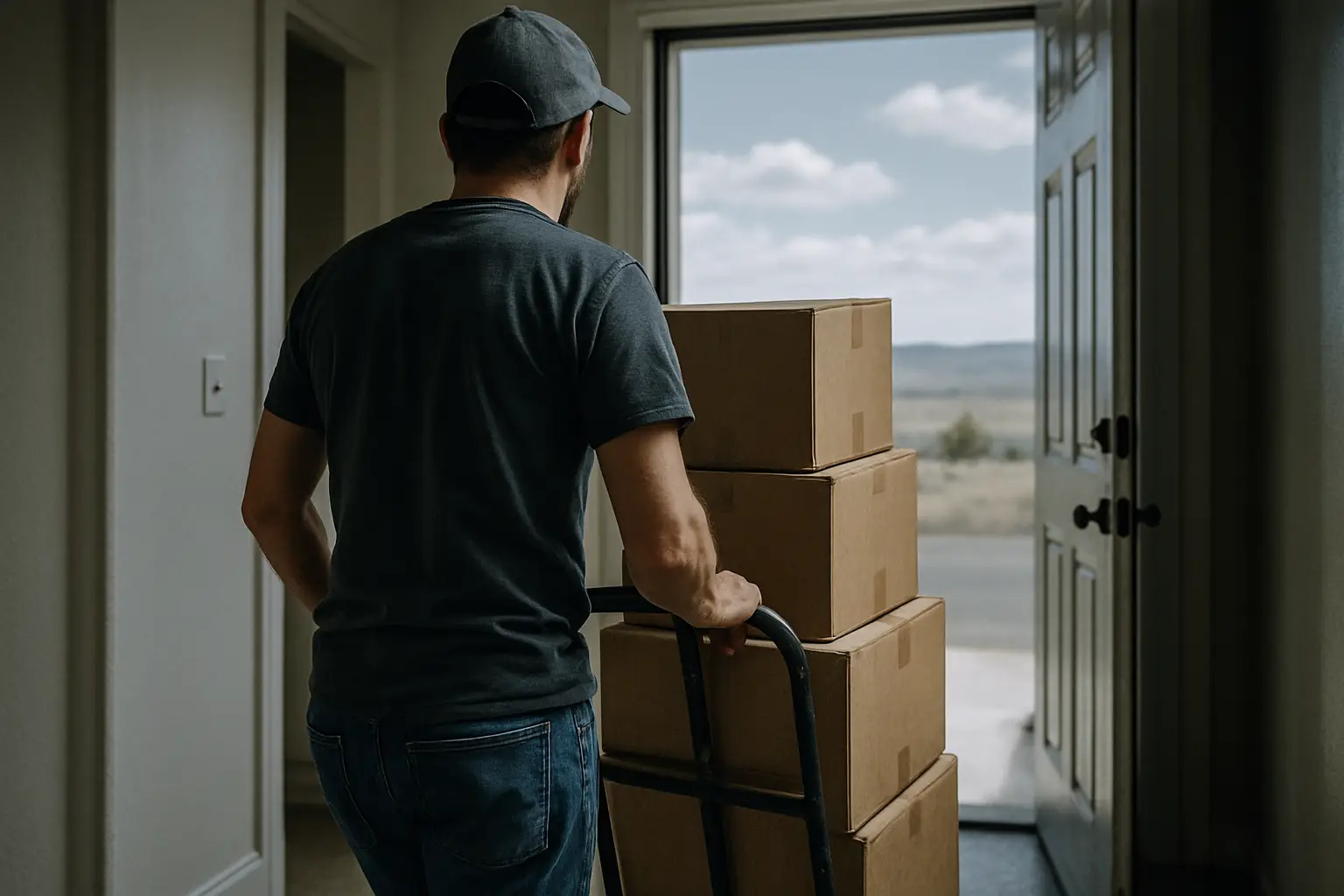
    A move-out often creates a mixed load from closets, garages, shelves, damaged furniture, and packing material. Sort anything worth donating or recycling before loading. We can discuss access at the old or new property and choose a size that does not crowd the driveway.

    Move-out debris
  • Roofing Dumpsters

    Roofing debris is dense, and shingles become heavy quickly even when the pile looks modest. Place the container where tear-off can reach it without dragging material across finished areas. Share the roof size, tear-off layers, and access conditions before selecting capacity.

    Roof replacement
  • Same-Day Dumpster Rental

    Some projects cannot wait for a later planning cycle, including emergency repairs, inherited-property cleanouts, and sudden storm debris. Same-day availability depends on container location, material, routing, and current scheduling. Ask about the job early and have the placement area clear for review.

    Urgent cleanup
  • Concrete and Heavy Debris Dumpsters

    Concrete, brick, block, dirt, tile, and asphalt can exceed a container's safe working load before it looks full. These materials require a more careful size and loading discussion. Keep heavy debris low, distribute it evenly, and explain the material before delivery.

    Heavy materials
  • Commercial Construction Dumpsters

    Commercial work needs predictable staging, safe truck access, and pickup coordination that follows the build. Tell us about the jobsite entrance, surface, active equipment, and expected debris stream. A larger container or scheduled service plan may be appropriate for sustained construction.

    Jobsite disposal
  • Recurring Jobsite Dumpster Service

    Ongoing work benefits from planned container changes instead of letting debris consume access lanes or work areas. We can discuss the construction sequence, likely material types, pickup timing, and safe staging points. Conditions should be reassessed when the site layout changes.

    Recurring service

Additional site work

Some cleanup calls for a different service

How scheduling works

Big Piney delivery starts with access details

  1. Describe the project

    Start with the material, project type, approximate work area, and expected loading period. Roofing, concrete, dirt, household debris, and mixed renovation material behave differently. Clear information prevents a lightweight household recommendation from being used for a dense construction load.

  2. Review the placement

    We discuss the driveway, street frontage, surface condition, overhead clearance, gates, fences, and the truck's approach. If the only location is public property, permission may be needed first. Tell us about slopes, soft shoulders, and anything that could limit a straight approach.

  3. Match the container

    The container should hold the planned material without forcing a high, unstable pile. We consider volume, density, loading method, and how much space must remain for vehicles. A smaller option can be the better fit when access or weight is the limiting factor.

  4. Confirm the delivery window

    Lance Dumpster Rental schedules the delivery window around the job and confirms where the container is intended to sit. Keep vehicles, trailers, loose tools, and movable obstacles out of the approach. The truck needs a clear path and enough room to place the container safely.

  5. Coordinate pickup

    Pickup timing should follow the actual fill level and the next stage of work, not an assumption made before loading begins. Tell us when the material will be ready, and keep the container accessible. Changes in weather, construction staging, or property access should be discussed promptly.

Why the details matter

A workable container beats a bigger container

  1. Placement is part of the job

    A container is not useful if it blocks the only garage bay, sits on unstable shoulder material, or leaves the truck unable to reach the site. We talk through the approach and intended footprint before delivery. That helps protect driveways, fences, buildings, and the customer's ability to keep using the property.

  2. Material changes the recommendation

    Cardboard and household contents fill space differently from shingles, masonry, soil, or concrete. Dense material may limit the usable fill level before the container appears full. We would rather recommend a smaller option for a light load or a different plan for heavy debris than sell capacity that cannot be loaded safely.

  3. Scheduling follows the project

    A container left too early can occupy valuable space, while one removed too soon can interrupt the work. Lance Dumpster Rental documents pickup timing and coordinates the schedule around the project's real progress. That is especially useful for renovations, roofing, and commercial sites where access changes as crews move through the property.

Working standards

What customers should expect from the crew

  • Every placement discussion accounts for truck access, surface condition, clearance, and the container footprint.
  • Material type is reviewed before delivery because dense debris can reach safe weight limits quickly.
  • Customers receive a practical size recommendation based on the work rather than an automatic largest option.
  • Driveways and approach lanes should be cleared of vehicles, tools, branches, and loose household items.
  • Public-street placement usually requires permission first, so tell us where the container must sit.
  • Weather can change ground conditions around Big Piney, especially during freeze and thaw periods.
  • Pickup planning considers the container's accessibility and the next stage of the property work.
  • Service is available 24/7, Monday to Sunday, for projects that need flexible scheduling.

Placement planning

Where a container can sit on Big Piney streets and driveways

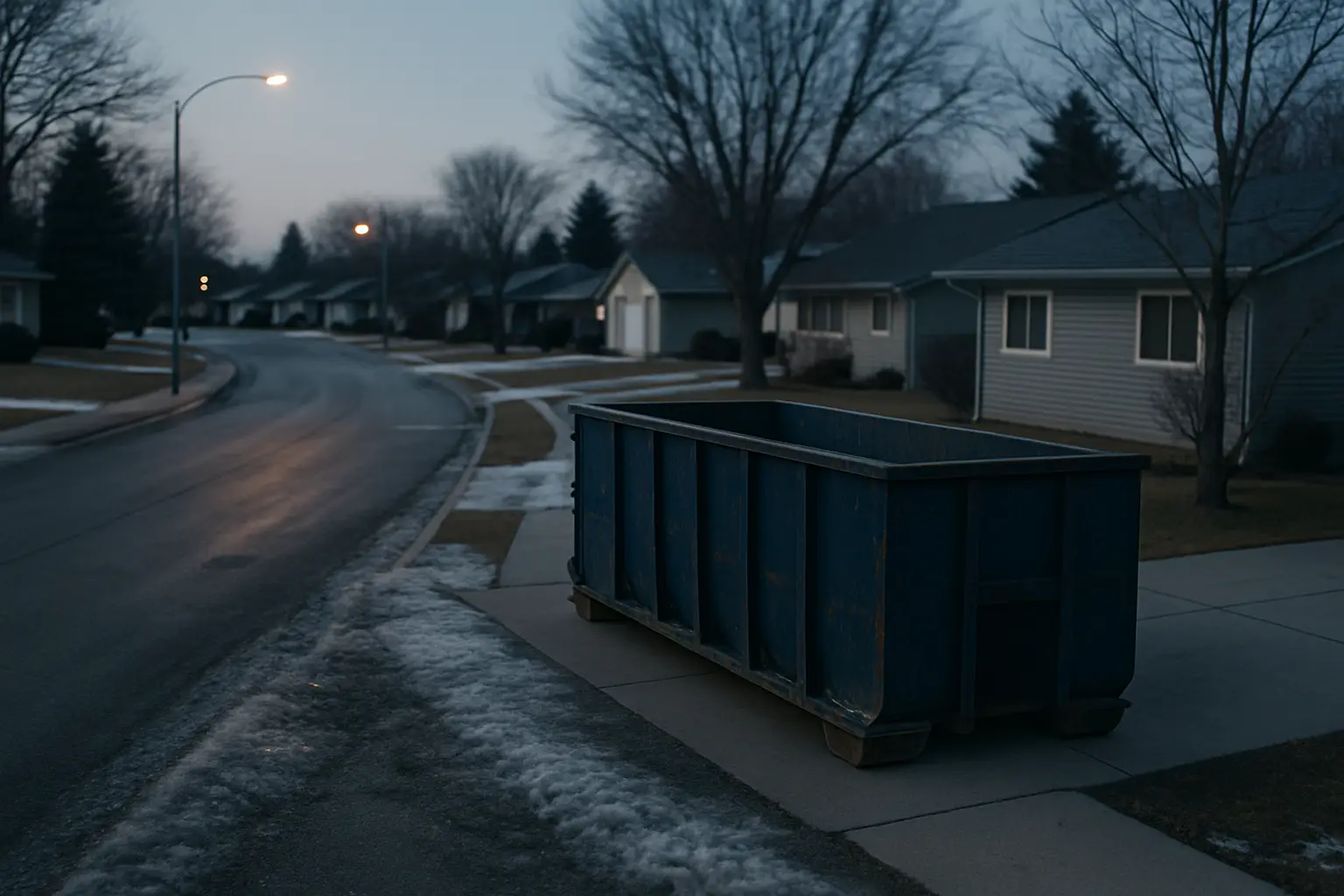
On a Big Piney property, the safest placement is usually a firm, reasonably level private surface with a clear approach from the street. A driveway may work if the truck can enter without tight backing, low branches, parked vehicles, utility obstructions, or a sharp grade. Gravel shoulders and open lots need closer review because spring thaw, rain, and repeated truck traffic can soften the ground. A container on a public street usually needs town permission first; tell us where it has to sit and we will explain what applies. Do not place it over drainage paths, in front of hydrants, across sidewalk access, or where it blocks emergency movement.

The truck needs more than the container's footprint. It needs a clear route to the placement point, adequate overhead clearance, room to align and lower the container, and a surface that can support the equipment. Big Piney's open lots can look spacious while fences, trailers, snowbanks, or parked work trucks narrow the usable path. Mark sprinkler heads, septic access, buried utility concerns, and fragile pavement before delivery. If the driveway slopes toward a home or road, discuss alternatives rather than assuming the container will sit level. Photos are useful, but a plain description of gates, grades, branches, and nearby structures is also valuable when planning the delivery.

A private driveway is usually preferable to a public street when access and surface conditions allow.

Clear vehicles, branches, trailers, and loose tools from the truck's approach before delivery.

Tell the crew about slopes, soft shoulders, fences, utilities, and drainage before choosing placement.

Material and capacity

Big Piney homes change the size and weight decision

Big Piney has a mix of older homes, working properties, newer construction, and outlying lots, so the same project name can produce very different loads. A bathroom update in an older house may include plaster, framing scraps, fixtures, and layered flooring. A newer room renovation may produce more packaging, drywall, trim, and manufactured materials. Garages and detached outbuildings can also add shelving, tools, fencing, or seasonal belongings to a cleanout. Estimate both the physical volume and the density before selecting a container. A nearly full load of light household debris is not equivalent to a partly filled load of tile, masonry, roofing, or soil.

Weight becomes the limiting factor for concrete, brick, block, dirt, asphalt, and other dense materials. These loads should be kept low and distributed instead of piled high. Roofing work can look light from the ground, but multiple layers of shingles become heavy as tear-off continues. Big Piney's winter conditions also affect project timing, since frozen ground may later soften during thaw and make a previously stable placement less reliable. Separate heavy debris when practical, explain the material mix, and mention whether the work is a single room, full house, outbuilding, or commercial area. That information leads to a safer recommendation than guessing from container size alone.

Older flooring, plaster, and masonry can make a small renovation heavier than its room count suggests.

Keep concrete, dirt, brick, and asphalt low, even, and separate from lighter household debris.

Describe the building, material layers, and outbuildings before deciding how much capacity the project needs.

Common questions

Answers before you schedule a container

What size dumpster do I need in Big Piney?

The right size depends on debris volume, material weight, loading method, and available placement space. A small bathroom remodel may need less capacity than a garage cleanout filled with dense flooring or masonry. Describe the project, building, and access conditions so the recommendation fits the actual load. Clear the driveway before delivery.

Can a dumpster go on my driveway?

A dumpster can often sit on a driveway when the surface is firm, the grade is manageable, and the truck has a clear approach. We also consider gates, branches, overhead lines, parked vehicles, and drainage. Big Piney freeze and thaw can soften ground near driveway edges. Remove obstacles and identify fragile pavement before scheduling.

Can I place a dumpster on a Big Piney street?

A container on a public street usually needs town permission first, and the location must not obstruct traffic, sidewalks, drainage, or emergency access. Requirements can depend on the exact street and placement. Tell us the proposed location before delivery. Have the address, nearby restrictions, and preferred placement area ready for discussion.

What cannot go in a dumpster?

Restricted materials can include chemicals, paints, fuels, batteries, certain appliances, tires, medical waste, and other items requiring separate handling. The accepted list depends on the material and disposal route, so identify unusual items before loading. Keep questionable products separate, preserve labels when possible, and describe them before the container arrives.

How full can I load the container?

Load material below the top edge and keep it distributed rather than creating a high or unstable pile. Dense debris may reach a safe weight limit before the container looks full. Shingles, concrete, dirt, and brick deserve particular care. Break down bulky items, keep heavy material low, and ask about unusual loads before filling.

Can I rent a dumpster for roofing in Big Piney?

Yes, roofing work is a common reason to rent a dumpster, but shingles become heavy quickly, especially when several layers are removed. The roof size, number of layers, access, and loading method affect the recommendation. Keep tear-off away from fragile landscaping and clear the truck approach before the scheduled delivery window.

How quickly can a dumpster be delivered?

Delivery timing depends on the container size, material, placement, route, and current schedule, so an exact arrival promise should be discussed for the specific job. Same-day requests may be possible when conditions allow. Explain the deadline, clear the placement area, and have access details ready before confirming the window.

How does dumpster pickup work?

Pickup is coordinated after the container is ready and the truck can reach it safely. Keep vehicles, trailers, tools, snow, and loose debris away from the approach, and tell us if the site layout changes. Big Piney weather can affect ground conditions. Discuss the desired pickup timing and any access limitation before removal.

Plan the job

Bring the site details when you call

A short project discussion can prevent the wrong container, a blocked driveway, or a pickup problem. Lance Dumpster Rental is available 24/7, Monday to Sunday, for Big Piney homeowners, contractors, landlords, and commercial crews. Explain what is being removed, where the container must sit, and when the material should be ready.

Phone

(307) 364-4862

The call covers material type, container size, placement, access, delivery scheduling, and pickup coordination.

Availability

24/7
Monday to Sunday, day and night

Have this ready

  • Project type and material
  • Property address
  • Preferred placement area
  • Target loading and pickup dates

Where we work

Big Piney, plus Marbleton, Boulder, La Barge, Pinedale, Kemmerer, Opal, Mountain View, Lyman, Green River and Rock Springs.

See the full service area list

Get the container plan before debris piles up

Tell Lance Dumpster Rental what you are removing, how the truck will reach the property, and when the work is ready. The right plan may be smaller than expected, especially when access or heavy material limits the load.

Click Here to Call(307) 364-4862

Nearby service area

Dumpster rental beyond Big Piney

Lance Dumpster Rental serves Big Piney and nearby communities across Sublette County and southwest Wyoming. Coverage includes Marbleton, Boulder, La Barge, Pinedale, Kemmerer, Opal, Mountain View, Lyman, Green River, and Rock Springs. Route planning, site access, weather, and material type all affect scheduling, so describe the property and project before choosing a container.

Big Piney town centerNorth Big PineySouth Big PineyBig Piney residential district

Dumpster Rental in nearby towns

Click Here to Call(307) 364-4862